Sustainable Solutions
1. Reduced Environmental Impact
A key component of Hanzi's sheet pile recycling and renewable production program, it is manufactured using an electric arc furnace (EAF) process, utilizing 100% recycled materials and 100% renewable electricity from the same grid.
This results in lower emissions from the production of new Hanzi sheet piles compared to typical energy structures. This difference is even more significant compared to traditional steelmaking processes, which emit approximately 2.3 tons of CO2 per ton of raw steel produced. The Hanzi C Plus series of sheet piles has obtained Environmental Product Declaration (EPD) certification, emitting only 409 kg CO2 equivalent per ton of steel produced. Furthermore, the product comes with a "Certificate of Origin," proving that the electricity used is renewable and has been audited by an independent third party.
2. Resilient Solution
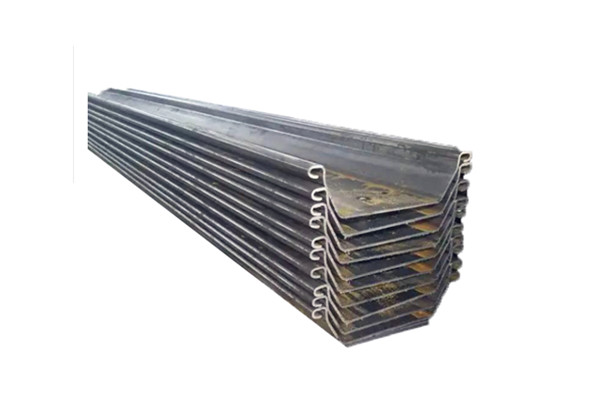
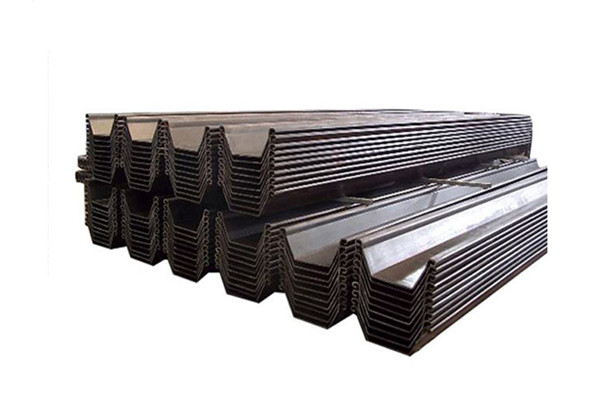
Sheet piles are an ideal solution for foundations and retaining walls, offering superior resilience and numerous advantages over other materials. One of the main advantages of steel is its excellent strength-to-weight ratio, which makes sheet piles easier to transport and install without compromising structural integrity. Sheet piles are also highly flexible in design, allowing for precise driving into various soil types and conditions. Furthermore, the durability and resistance to environmental factors such as corrosion, especially innovative steels like L Plus, ensure the long-term performance of sheet piles and minimize maintenance and repair needs.
In the fields of flood barriers and coastal erosion control, sheet piles stand out for their robustness, durability, and adaptability. With the continued exacerbation of climate change, extreme weather events, and rising sea levels, building efficient and sustainable infrastructure has become crucial. Sheet piles can be quickly deployed to form strong, impermeable barriers that effectively resist floods and erosion, protecting communities and ecosystems. Their excellent adaptability allows them to seamlessly integrate with existing buildings and landscapes, ensuring compliance with evolving climate change adaptation requirements.
3. Smart Solutions
AISheetPile aims to provide infrastructure owners and operators with a digital asset that goes beyond traditional sheet piles. It integrates sensors for real-time data acquisition, enabling continuous monitoring of the structure's health and overall condition.
Typical applications include detecting impacts on sheet pile walls and identifying their sources, remote corrosion monitoring, alarm systems for monitoring flood levels and flood barrier integrity, and strain and deformation measurements to assess infrastructure health and remaining capacity.
Benefits
1. Protect your assets
2. Minimize downtime
3. Enable preventative maintenance
4. Reveal hidden capabilities
5. Facilitate digital transformation
What does AISheetPile measure?
1. Impact
2. Corrosion
3. Wall integrity
4. Deformation
5. Tension
About Hanzi Sheet Piling
Hanzi Sheet Piling is a global leader in sustainable sheet pile technology, providing the most innovative foundation solutions. Our products are widely used in dock walls, waterways, flood barriers, transportation infrastructure projects, and retaining structures worldwide. Hanzi Sheet Piling is responsible for the sales, marketing, and promotion of its foundation solutions.
We offer a complete solution, including a wide range of products and services, expert technical support from early design phases to project completion, customized production, on-time delivery, and after-sales service. Our innovative solutions and technical support help design optimized, sustainable, and efficient sheet pile solutions.
Sheet Pile Production
Sheet piles are primarily produced using a secondary steelmaking process, with recycled scrap steel as the main raw material. Collected and sorted scrap steel is fed into an electric arc furnace (EAF), where it is melted using electricity instead of coke or coal. After melting, the molten steel is refined in a ladle furnace to adjust the chemical composition and temperature, ensuring the sheet piles possess the required mechanical properties (e.g., strength, ductility, and weldability).
The steel is then continuously cast into semi-finished products, such as beam billets, which are reheated in a walking beam furnace to the rolling temperature (approximately 1280°C).
Finally, the hot-rolled billets undergo multiple hot rolling passes on a specialized rolling mill to form the final U-shaped, Z-shaped, or straight-web sheet pile profiles, including interlocking structures. After rolling, the sheet piles are cooled, straightened, cut to the required length, and finished before shipment.
Compared to traditional blast furnace steelmaking processes, this electric arc furnace-based process produces sheet piles with a very high recycled content (up to ~100% scrap steel) and significantly reduced CO2 emissions, while maintaining high and stable product performance.
Get the Best Solution
If you are looking for sheet piles, please contact us. Our engineers will provide you with the best sheet pile solution.