- tyler@shipplate.com
- +86 15603721115
Sheet pile extraction refers to the process of removing steel sheet piles from the ground after they have served their purpose—such as in foundation pit shoring, cofferdams, retaining walls, or temporary foundations. Employing appropriate extraction methods helps minimize damage to the piles and surrounding structures while maximizing material reusability.
Common Sheet Pile Extraction Methods
Selecting the most suitable extraction method depends on factors such as pile length, soil conditions, embedment depth, and the proximity of surrounding structures.
1. Vibratory Extraction
Vibratory extractors are among the most commonly used pieces of equipment for removing sheet piles. The equipment clamps onto the top of the pile and generates high-frequency vibrations, thereby reducing friction between the pile and the surrounding soil.
Advantages:
1) Rapid extraction speed
2) Suitable for various sheet pile cross-section types
3) Generally capable of efficiently extracting multiple piles in succession
4) Reduces static resistance during the extraction process
Vibratory extraction is particularly effective in sandy and granular soils.
2. Hydraulic Extraction
Hydraulic extractors use hydraulic cylinders to pull the sheet piles upward. Unlike vibratory equipment, they can exert immense pulling force without generating intense vibrations.
This method is suitable for use near sensitive structures, underground utilities, or other locations where ground vibration must be strictly controlled.
3. Crane-Assisted Extraction
Cranes can be used in conjunction with appropriate pile clamps or lifting gear to extract sheet piles. In some cases, the soil resistance is loosened first, after which the crane provides the necessary lifting force.
The rated load capacity of the crane and its lifting accessories must meet the requirements of the anticipated extraction load.
4. Impact or Hammer-Assisted Extraction
In complex geological conditions, impact equipment is sometimes used to loosen the pile before extraction. Because this method generates significant noise and vibration, it requires careful evaluation before use, particularly in urban areas. Steel Sheet Pile Extraction Equipment
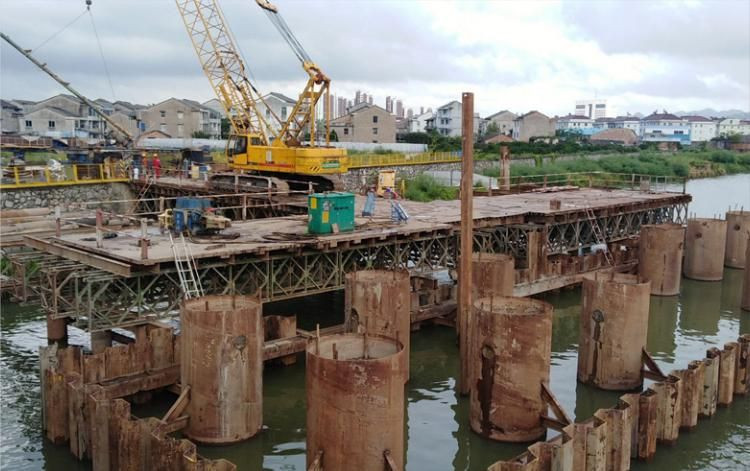
Commonly used equipment includes:
1. Vibratory pile extractors
2. Hydraulic pile extractors
3. Excavators equipped with certified pile clamps
4. Mobile cranes or crawler cranes
5. Hydraulic power packs
6. Steel sheet pile clamps
7. Lifting chains and slings
8. Guide frames and temporary supports
The choice of extraction equipment should be based on the anticipated extraction resistance, not merely the weight of the pile itself. Factors affecting extraction difficulty
Several factors determine the ease or difficulty of extracting steel sheet piles:
1. Soil type: Dense sand, gravel, and stiff clay can generate significant resistance.
2. Embedment depth: Piles embedded to greater depths generally require greater extraction force.
3. Soil adhesion: Clay may adhere strongly to the surface of the pile.
4. Corrosion: Severely corroded piles may have reduced structural strength and be difficult to grip safely.
5. Pile deformation: Bent or damaged interlocks increase resistance during extraction.
6. Duration in the ground: Temporary piles left in place for extended periods may become harder to extract due to increased soil adhesion and consolidation of the surrounding soil.
Steel Sheet Pile Extraction Process
A typical extraction operation involves the following stages:
1. Survey the site to identify underground utilities, adjacent structures, and potential hazards.
2. Inspect the steel sheet piles for damage, deformation, or corrosion.
3. Select appropriate extraction equipment based on soil and pile conditions.
4. Securely attach the approved clamp or lifting device to the pile.
5. Gradually apply vibratory or hydraulic extraction force.
6. Monitor pile movement; stop operations immediately if unexpected resistance or abnormal movement occurs. 7. Once the pile is disengaged, hoist it away from personnel and building areas.
8. Place the extracted pile in the designated storage area for inspection and subsequent processing.
For interlocking piles, extraction operations must be carefully controlled to prevent accidental movement of adjacent piles.
Safety Precautions
Steel sheet pile extraction involves risks such as immense lifting forces, suspended loads, vibration, falling objects, and sudden pile movement. Operations should be planned and supervised by qualified personnel.
Key safety measures include:
1. Establish an exclusion zone (restricted area) around the extraction site.
2. Strictly prohibit personnel from approaching suspended piles.
3. Use lifting rigging with adequate load-bearing capacity.
4. Inspect clamps, slings, chains, and connection points before use.
5. Follow the extraction equipment manufacturer's operating instructions.
6. Monitor nearby buildings and structures for potential vibration damage.
7. Control access to the work area.
8. Use appropriate Personal Protective Equipment (PPE), including hard hats, safety goggles, hearing protection, gloves, and safety shoes.
9. Strictly prohibit standing directly beside or beneath the pile during extraction.
10. Stop operations immediately if the pile becomes unstable or exhibits abnormal behavior.
Can extracted steel sheet piles be reused?
Yes. Provided the structural condition meets requirements for subsequent use, steel sheet piles can generally be reused after extraction. Each pile should be inspected for excessive bending, corrosion, cracks, interlock damage, or other defects.
Before reuse, the piles may require cleaning, straightening, cutting, or repair.
Conclusion
Steel sheet pile extraction requires careful consideration of factors such as soil conditions, pile geometry, extraction resistance, equipment capacity, and site safety. The vibratory pile extraction method is widely adopted due to its high efficiency, whereas the hydraulic method offers advantages in situations where the impact of vibration must be minimized. Proper planning and inspection are crucial to preventing damage to the piles and the surrounding environment.
