- tyler@shipplate.com
- +86 15603721115
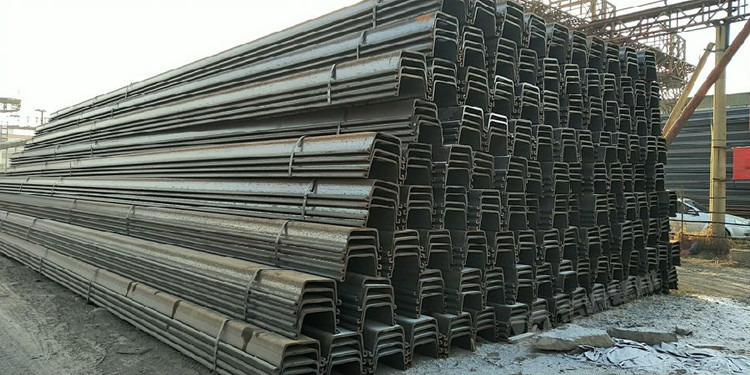
Yes, steel sheet piles are generally considered highly cost-effective for a wide range of earth and water retention projects. However, their cost-effectiveness depends largely on specific site conditions, the materials selected, and whether the project is temporary or permanent.
The following is a detailed analysis of why steel sheet piles are cost-effective, how they compare to alternatives, and the factors influencing their total cost.
1. Why Steel Sheet Piles Are Cost-Effective (Advantages)
1) Rapid Construction: Steel sheet piles interlock and are driven (or vibrated) continuously into the ground. This method is much faster than the processes involved in constructing cast-in-place concrete retaining walls or bored piles—which require excavation, formwork, and concrete pouring. Faster construction translates to lower labor costs and reduced equipment rental periods.
2) High Material Efficiency: Steel sheet piles possess a high strength-to-weight ratio. Because they serve as both structural members and retaining barriers, they require less material compared to massive gravity-type concrete walls.
3) Reusability (Temporary Works): For temporary excavation projects (such as building basements or bridge foundations), steel sheet piles can be extracted, cleaned, and reused across multiple projects. This significantly lowers the actual cost per project, sometimes making them more economical than single-use alternatives like timber piles or H-piles combined with timber lagging.
4) Space Savings: Steel sheet pile walls are very thin (often only a few inches thick). In urban environments with tight property lines or restricted work sites, this saves valuable land—space that would otherwise be occupied or wasted if thicker concrete walls or sloped excavations were used.
5) Immediate Load-Bearing Capacity: Unlike concrete, which requires a curing period of several weeks before backfilling can begin, steel sheet piles can resist earth and water pressures immediately after installation, ensuring the project schedule stays on track.
2. Cost Comparison: Steel Sheet Piles vs. Alternatives
Retaining System | Relative Initial Cost | Best Use Case | Cost-Effectiveness Verdict |
Steel Sheet Piles | Moderate | Waterfronts, deep excavations, tight spaces, soft to medium soils. | High. Excellent balance of speed, strength, and material cost. |
Cast-in-Place Concrete Wall | High | Permanent, highly visible structures where aesthetics matter, or where massive loads are present. | Moderate. High labor, formwork, and curing time costs make it slower and more expensive upfront. |
Soldier Piles & Lagging | Low to Moderate | Dry, stable soils; temporary or permanent walls where some water seepage is acceptable. | High for dry land. Not cost-effective in high water tables or soft soils (lagging can fail). |
Secant/Tangent Piles | High | Very deep excavations, urban areas with strict vibration/noise limits, hard rock. | Low to Moderate. Very expensive due to specialized drilling rigs and slow installation, but sometimes the only viable option. |
Vinyl/Composite Sheet Piles | Moderate to High (upfront) | Residential seawalls, environmentally sensitive areas, corrosive soils. | High (Lifecycle). Higher initial cost than steel, but zero maintenance or rust-replacement costs over 50+ years. |
3. Factors That May Drive Up Costs
Although steel sheet piles are generally cost-effective, costs can rise under specific site conditions:
1) Complex soil conditions: Driving piles into dense gravel, cobble layers, or hard rock requires pre-drilling or heavy-duty specialized equipment, significantly increasing costs.
2) Environmental restrictions: In urban areas or near hospitals and sensitive structures, noise and vibration from traditional vibratory or impact hammers may be restricted. Contractors must switch to silent installation methods (such as hydraulic static pile pressers), which are slower and more expensive.
3) Corrosion protection (permanent marine projects): If piles are exposed to saltwater, adding a "corrosion allowance" (extra steel thickness), epoxy coatings, or cathodic protection systems increases initial material costs (though it saves money in the long run).
4) Seepage control: If the project requires superior waterproofing (e.g., for deep urban basements), specialized materials (such as bentonite or polyurethane) must be used to seal the pile interlocks, increasing installation costs.
4. Life-Cycle Cost Perspective
When evaluating cost-effectiveness, engineers focus on total life-cycle costs rather than just the initial price:
1) Upfront costs: The initial cost of steel sheet piles can be moderate, especially when corrosion protection measures are included.
2) Maintenance costs: Well-designed permanent steel sheet pile walls (featuring concrete capping beams and corrosion allowances) require virtually no maintenance for decades. Vinyl or composite piles require no maintenance at all. 3) Failure/Replacement Costs: While cheaper alternatives (such as timber bulkheads) have lower upfront costs, they may rot or fail after 15 to 20 years, necessitating extremely expensive emergency replacement work. Steel sheet piles avoid these hidden long-term costs.
Summary and Conclusions
Steel sheet piles are highly cost-effective in the following situations:
1. Water retention is required, or construction takes place in areas with high groundwater levels; space is limited, and thin-walled profiles are needed.
2. Soil layers are relatively easy to penetrate (e.g., clay, sand, silt).
3. Project schedules are tight (rapid construction can save costs).
4. Piles can be extracted and reused (suitable for temporary works).
However, they may not be the most cost-effective choice in the following situations:
1. Hard rock or large boulders exist in the shallow subsurface (pre-drilling costs would be excessive).
2. Strict noise or vibration regulations mandate slow, specialized construction methods.
3. The wall is in a prominent location and aesthetics are a primary consideration (cast-in-place concrete walls with architectural finishes may be more economical than applying facings to steel sheet pile walls).
