- tyler@shipplate.com
- +86 15603721115
Steel sheet piles—also known as box-type steel sheet piles or extruded piles—are important construction materials renowned for their simple manufacturing process, ease of installation, and lightweight structure. While lengths are typically customized between 8 and 12 meters to suit project requirements, a variety of other lengths are also available to meet specific site needs.
1. Common causes of steel sheet pile corrosion
Steel sheet pile corrosion is influenced by several factors:
1) Physical factors: Exposure to seawater, rainwater, and steam accelerates corrosion.
2) Chemical factors: Acids, alkalis, and salts present in the environment can cause chemical corrosion of the steel.
3) Biological factors: Algae, bacteria, and marine organisms can lead to biological corrosion.
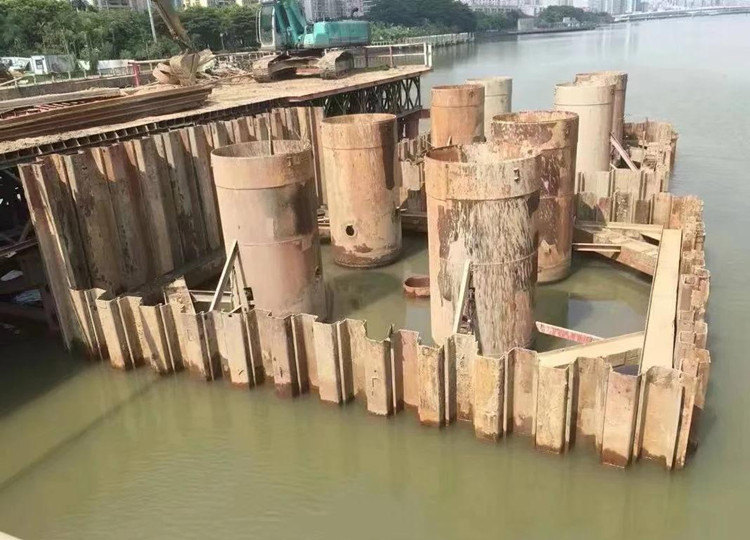
2. Causes of soil corrosion
When steel sheet piles are embedded in soil, specific conditions can trigger corrosion:
1) Soil pH: The decomposition of certain soil elements into acidic or alkaline compounds can corrode the steel sheet piles.
2) High soil moisture: Damp soil creates an environment where oxygen and water react with the steel, accelerating corrosion.
3) Electrochemical corrosion: Variations in electrolyte concentration and oxygen levels within the soil create anodic and cathodic zones, leading to localized corrosion.
3. Impact of soil corrosion on steel sheet piles
Soil corrosion significantly affects the performance and durability of steel sheet piles:
1) Reduced service life: Corrosion decreases wall thickness and load-bearing capacity, thereby shortening the pile's service life.
2) Compromised project quality: Corrosion causes surface irregularities and affects joint sealing—leading to issues such as leakage—which impacts the overall quality of the project.
3) Safety risks: Corroded steel sheet piles lose strength and rigidity, increasing the risk of structural failure under external loads.
4) Increased maintenance costs: Corrosion necessitates frequent repairs and replacements, driving up long-term maintenance expenses.
4. Solutions for preventing soil corrosion in steel sheet piles
Several strategies can effectively mitigate soil corrosion:
1) Anti-corrosion coatings: Applying protective coatings to the steel surface can significantly reduce the rate of corrosion. 2) Perlite filling: Filling steel sheet piles with perlite or chemically stable materials helps mitigate soil-induced corrosion.
3) AC cathodic protection: This energy-efficient method involves placing electrodes on the surface of the steel sheet piles, with the piles themselves acting as the cathode. This approach reduces the rate of localized corrosion and provides protection by distributing the current evenly across the entire structure.
Conclusion
Corrosion of steel sheet piles in soil is a serious issue that can affect the quality, durability, and safety of construction projects. Implementing effective anti-corrosion measures can extend the service life of steel sheet piles and preserve the structural integrity of the project.
