- tyler@shipplate.com
- +86 15603721115
Steel sheet piles are steel sections with interlocking mechanisms (locking joints) along their edges. Through free combination, they can form continuous and tight retaining or water-retaining walls. In modern construction engineering, they are often called the "Transformers" of the engineering world, possessing the following core functions:
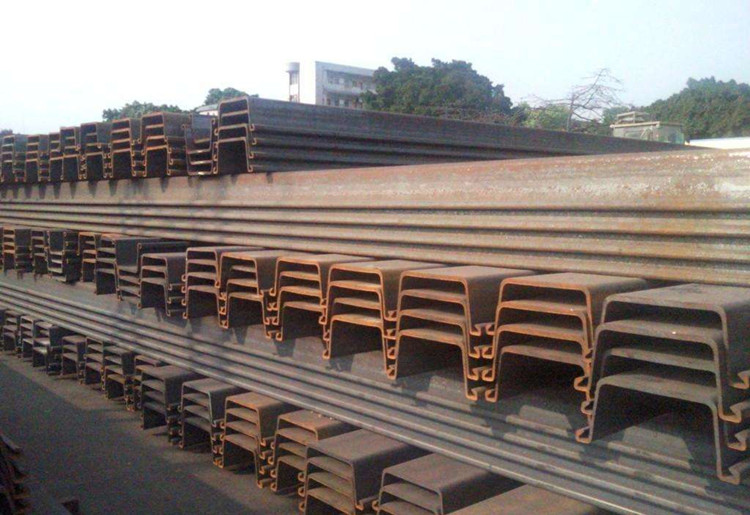
1. Deep foundation pit support and underground engineering protection
In urban building excavation, underground parking lot construction, or tunnel engineering, steel sheet piles act as an "invisible protective shield." They firmly hold soft soil, effectively preventing the collapse of the foundation pit sidewalls and ensuring the safety of construction personnel and surrounding existing buildings. In soft soil foundation construction, they can also serve as a support structure to ensure smooth tunnel progress.
2. Water retention and temporary cofferdams
Steel sheet piles have excellent water tightness, with tight interlocking joints that naturally prevent seepage. In underwater construction or bridge construction, they can quickly build sturdy protective walls (cofferdams), effectively blocking water flow and groundwater seepage, creating a dry working environment for the construction team.
3. Dock Construction and Coastal Protection
In water conservancy projects such as those along the coast or in river valleys, sheet piles can resist erosion from waves and tides, prevent riverbank erosion, and protect the structural integrity of docks and infrastructure.
4. Flood Control, Breakwater Defense, and Disaster Relief
In the face of natural disasters, sheet piles are excellent emergency materials. They can quickly construct flood walls and breakwaters to withstand the impact of floods and waves; at the same time, due to their efficient installation, they are highly suitable for disaster relief and prevention of sudden geological disasters such as quicksand, landslides, and earthquakes.
5. Environmental Protection and Land Reclamation
In environmental protection projects, steel sheet piles can be used as vertically sealed retaining walls or to create temporary soil barriers, effectively preventing the spread of pollutants, protecting the surrounding environment from construction impacts, and contributing to land reclamation and ecological restoration.
In addition to the above wide range of applications, sheet piles themselves also possess the characteristics of high strength, high durability, simple construction, and small footprint. More importantly, it is a green and environmentally friendly material that can be removed and reused after the temporary project is completed (usually 20 to 30 times), which greatly reduces project costs and protects land resources.
