- tyler@shipplate.com
- +86 15603721115
Steel sheet piles are structural steel sections featuring interlocking mechanisms (interlocks) along their edges. In engineering applications, these piles can be tightly interlocked and joined together to form a continuous wall for retaining soil or water.
Based on their appearance and manufacturing process, they are primarily categorized into hot-rolled and cold-formed types. Common cross-sectional shapes include U-type, Z-type, and straight-web profiles. Among these, the Larsen steel sheet pile is the most well-known and widely used.
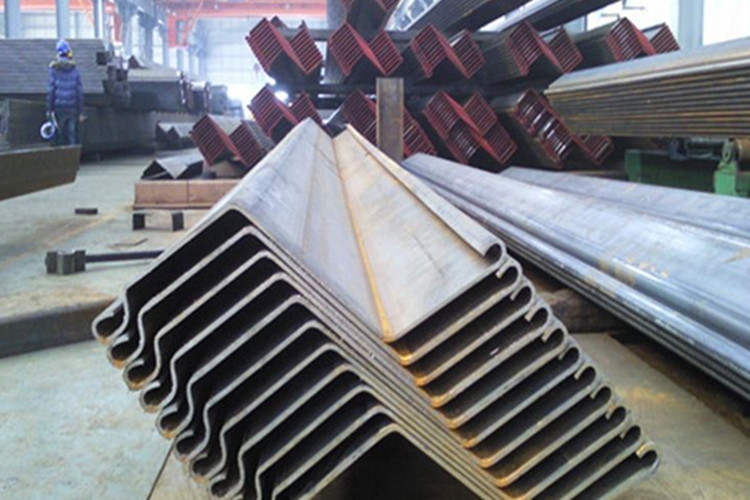
Thanks to their high strength, excellent water-tightness, and ease of installation, steel sheet piles are extensively used in various foundation and underground engineering projects. Key applications include:
1. Foundation Pit Support: Serving as temporary or permanent retaining walls during deep excavation to prevent the collapse of pit walls.
2. Hydraulic Engineering: Used in the construction of hydraulic structures such as wharves, ship locks, flood embankments, and cofferdams.
3. Bridges and Roads: Used for bridge abutment foundations, embankment retaining walls, and open-cut excavations for underground tunnels.
Furthermore, steel sheet piles offer significant environmental and economic advantages. As a highly recyclable material, they can typically be extracted and reused after completing temporary shoring tasks; this not only substantially lowers overall project costs but also reduces the generation of construction waste.
