- tyler@shipplate.com
- +86 15603721115
Cold-rolled (also known as cold-formed) steel sheet piles offer numerous advantages in building and civil engineering applications, particularly for light to medium-sized projects. Based on industry standards and project comparisons, their main advantages are as follows:
1. Cost-Effectiveness
Due to the efficient production process using pre-rolled steel coils, cold-formed steel sheet piles are generally more economical. This streamlined production process, coupled with lower handling and labor costs, makes them an economical choice for many projects.
2. Lighter Weight and High Strength-to-Weight Ratio
Because cold-rolled steel sheet piles are manufactured from flat steel coils of uniform thickness, they are lighter than hot-rolled steel sheet piles. They are available in a variety of light to medium-sized sizes, offering an excellent strength-to-weight ratio, facilitating transportation, handling, and on-site installation.
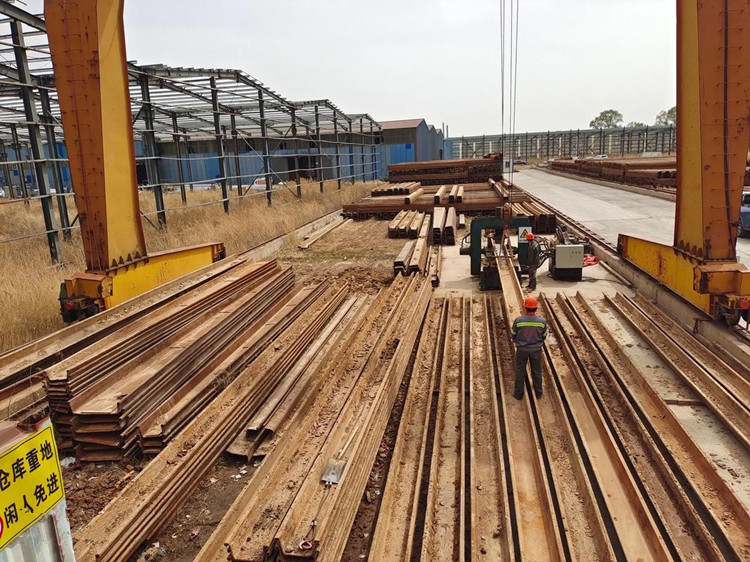
3. Easier and Faster Installation/Disassembly
The interlocking design of cold-formed steel sheet piles is typically looser than that of hot-rolled steel sheet piles. This makes them easier to drive into the ground, significantly accelerating installation. This feature is particularly advantageous for temporary projects requiring multiple pile driving and extraction, such as trench supports or cofferdams.
4. Interchangeability and Supply Chain Flexibility
Unlike hot-rolled sheet piles, which typically have proprietary interlocking structures that may be incompatible between different manufacturers, the interlocking structures of most similarly sized cold-formed sheet piles are standardized. This means they can interlock regardless of the supplier, providing greater flexibility in procurement and reducing project delays.
5. Greater Alignment Flexibility
The interlocking of cold-rolled sheet piles allows for angular displacement of up to 25 degrees. This high degree of alignment flexibility is a major advantage when repositioning piles during construction or dealing with minor deviations in the pile driving path.
6. Faster Production and Scheduling
The cold forming process, which involves a series of forming steps on the steel coil at room temperature, enables rapid, on-demand production. This can reduce lead times and improve overall project scheduling compared to some hot-rolled alternatives.
7. Environmental and Life Cycle Benefits
The efficient use of materials and the ease of extraction and reuse of cold-formed sheet piles for multiple temporary projects help reduce life cycle costs and environmental impact.
Background: Cold-Rolled Sheet Piles vs. Hot-Rolled Sheet Piles
While cold-rolled sheet piles excel in cost, weight, and installation speed, it's important to note that they are best suited for light to medium-sized applications (e.g., small retaining walls, temporary trenches, scour protection, and shallow cofferdams). For heavy-duty applications requiring higher bending strength, deeper penetration, or extremely high watertightness, hot-rolled sheet piles are generally preferred due to their thicker cross-sections and tighter ball-and-socket interlocking.
The final choice of sheet pile type depends on specific structural requirements, soil conditions, and whether the installation is temporary or permanent.
